Shopping cart
Your cart empty!

Your cart empty!

Join 10k+ people to get notified about new posts, news and tips.
Do not worry we don't spam!
Terms of use dolor sit amet consectetur, adipisicing elit. Recusandae provident ullam aperiam quo ad non corrupti sit vel quam repellat ipsa quod sed, repellendus adipisci, ducimus ea modi odio assumenda.
Lorem ipsum dolor sit amet consectetur adipisicing elit. Sequi, cum esse possimus officiis amet ea voluptatibus libero! Dolorum assumenda esse, deserunt ipsum ad iusto! Praesentium error nobis tenetur at, quis nostrum facere excepturi architecto totam.
Lorem ipsum dolor sit amet consectetur adipisicing elit. Inventore, soluta alias eaque modi ipsum sint iusto fugiat vero velit rerum.
Sequi, cum esse possimus officiis amet ea voluptatibus libero! Dolorum assumenda esse, deserunt ipsum ad iusto! Praesentium error nobis tenetur at, quis nostrum facere excepturi architecto totam.
Lorem ipsum dolor sit amet consectetur adipisicing elit. Inventore, soluta alias eaque modi ipsum sint iusto fugiat vero velit rerum.
Dolor sit amet consectetur adipisicing elit. Sequi, cum esse possimus officiis amet ea voluptatibus libero! Dolorum assumenda esse, deserunt ipsum ad iusto! Praesentium error nobis tenetur at, quis nostrum facere excepturi architecto totam.
Lorem ipsum dolor sit amet consectetur adipisicing elit. Inventore, soluta alias eaque modi ipsum sint iusto fugiat vero velit rerum.
Sit amet consectetur adipisicing elit. Sequi, cum esse possimus officiis amet ea voluptatibus libero! Dolorum assumenda esse, deserunt ipsum ad iusto! Praesentium error nobis tenetur at, quis nostrum facere excepturi architecto totam.
Lorem ipsum dolor sit amet consectetur adipisicing elit. Inventore, soluta alias eaque modi ipsum sint iusto fugiat vero velit rerum.
Do you agree to our terms? Sign up
African business leaders, regional infrastructure and governments are turning continental integration from policy ambition into economic reality
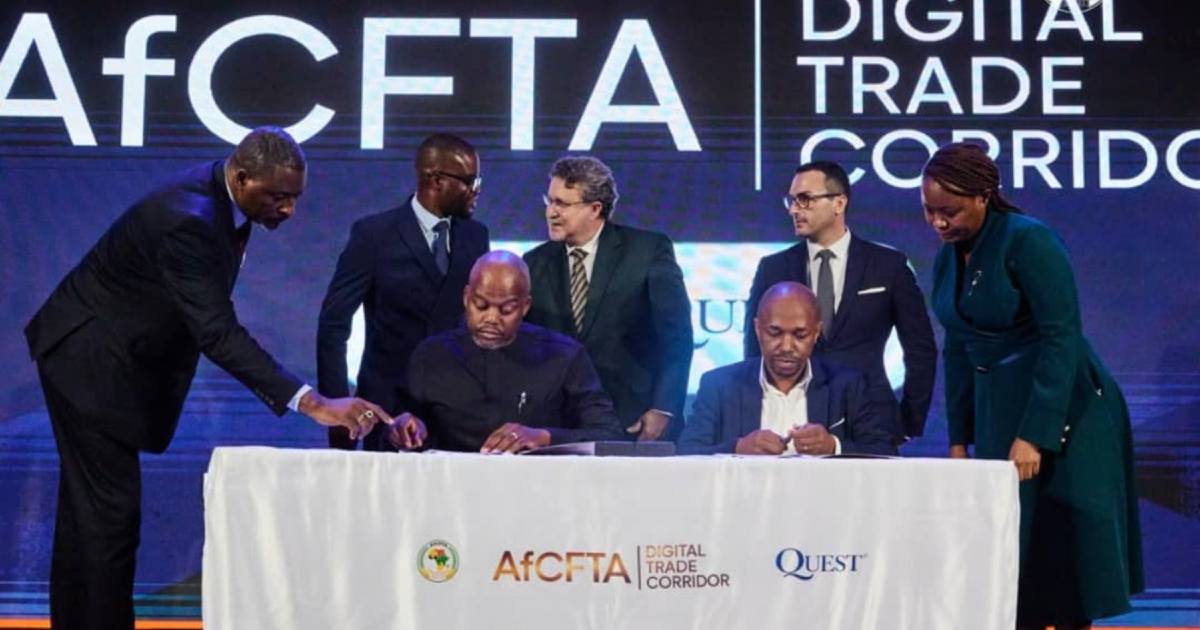
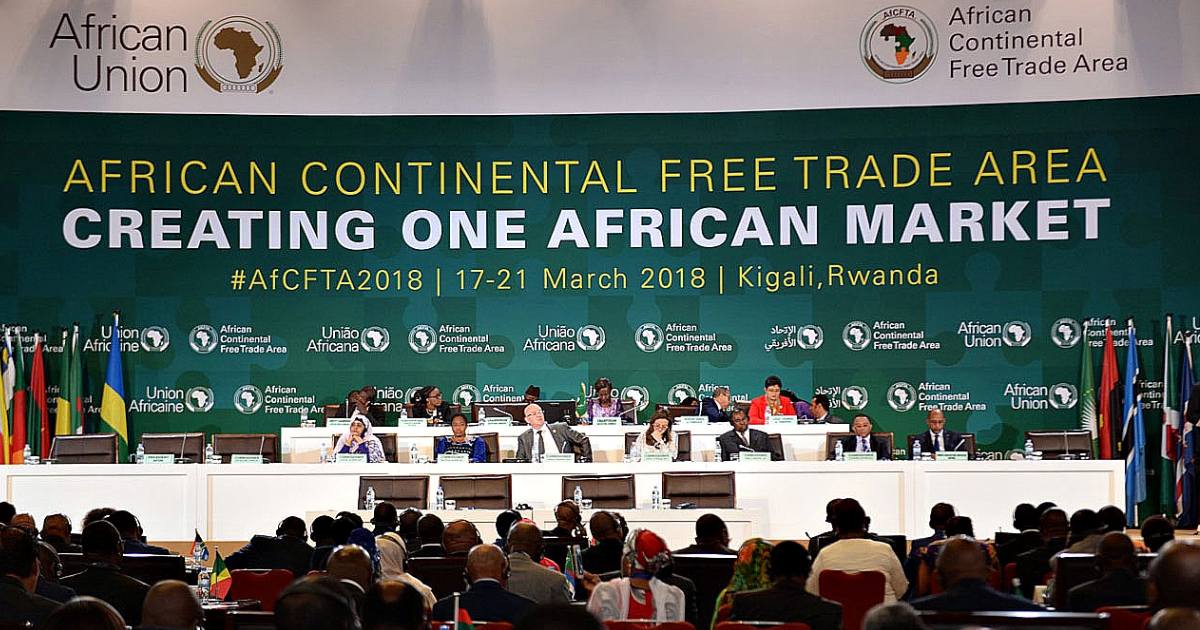
Africa's free-trade ambition is increasingly moving from policy documents into factories, banks, telecommunications networks, logistics systems and consumer markets, driven largely by chief executives whose companies are expanding across borders and building the commercial connections envisioned by the African Continental Free Trade Area (AfCFTA).
The continental framework seeks to create a single African market by reducing barriers to trade and strengthening the movement of goods, services, investment and businesses. Its ultimate test, however, will be practical: whether African companies can manufacture, finance, transport, sell and invest across borders with fewer obstacles, while consumers increasingly gain access to products and services produced elsewhere on the continent.
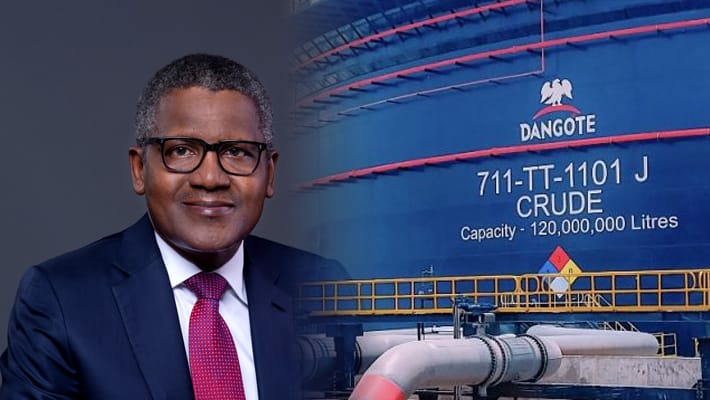
That transformation is already visible in manufacturing. Aliko Dangote, founder of the Dangote Group, has built one of Africa's largest industrial enterprises, with cement operations across several African markets and the Dangote Oil Refinery adding substantial refining capacity in Nigeria. The scale of the group illustrates how African private capital is moving beyond domestic commerce towards production systems capable of serving wider regional markets.
Abdulsamad Rabiu, through BUA Group, is pursuing a similar industrial strategy. BUA Cement and BUA Foods have strengthened Nigeria's manufacturing and processing capacity while positioning the group within sectors directly connected to food security, construction and industrialisation. Such investments matter to AfCFTA because continental trade ultimately depends on African economies producing more of the goods they consume.
In Tanzania, Mohammed Dewji has built MeTL Group across manufacturing, agriculture, trading and retail. Its vertically integrated model links production and distribution while its regional orientation reflects the commercial logic of East African integration. Companies operating across several markets demonstrate how private enterprise can begin reducing the economic significance of national borders.
Telecommunications are creating another layer of integration. Mike Adenuga's Globacom has built a major communications network in West Africa, while energy interests associated with his wider business empire place connectivity and energy within the broader industrial equation. Modern trade cannot expand efficiently without reliable communications infrastructure connecting businesses, customers and markets.
The digital transformation is even more apparent through Strive Masiyiwa and Cassava Technologies. Investments in fibre networks, data centres and cloud infrastructure are helping create the digital foundations required for African businesses to operate across borders. As commerce becomes increasingly digital, connectivity is no longer simply a communications service; it is becoming part of the infrastructure of trade.
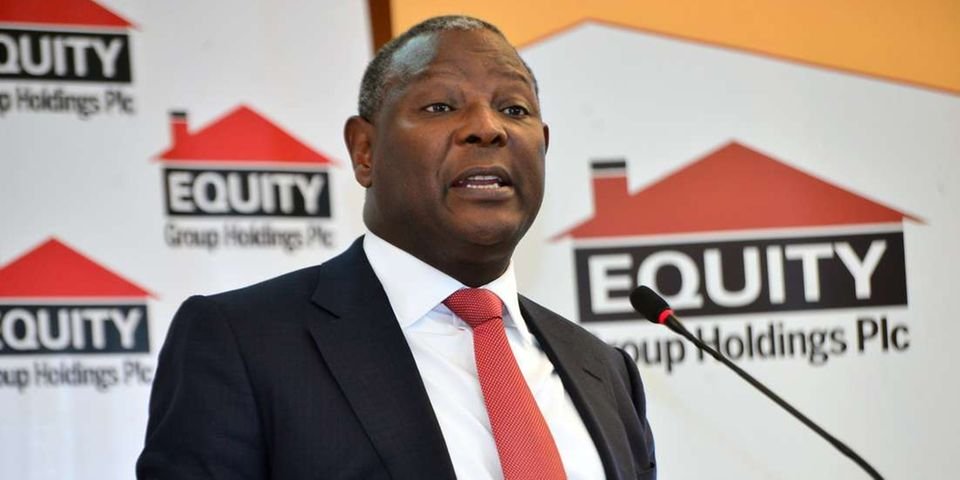
Finance provides another critical bridge. Dr. James Mwangi, through Equity Group Holdings, has overseen the expansion of financial services across East and Central Africa. Cross-border banking, agricultural finance and support for small and medium-sized enterprises help create the financial channels through which producers, traders and entrepreneurs participate in regional commerce.
Jeremy Awori, leading Ecobank Transnational Incorporated, operates within an even broader continental footprint. With banking operations across much of Africa, Ecobank demonstrates how financial institutions can provide the infrastructure required for businesses to transact across jurisdictions. Cross-border payments and digital banking are particularly important as smaller enterprises seek customers beyond their home markets.
Ralph Mupita, leading MTN Group, is similarly operating a continent-wide connectivity platform. MTN's presence across multiple African markets links millions of consumers and businesses, while its financial-services operations increasingly connect telecommunications with commerce. Mobile networks allow entrepreneurs to communicate, market products and transact without depending entirely on conventional physical infrastructure.
South Africa's financial sector provides another pillar. Sim Tshabalala, chief executive of Standard Bank Group, leads an institution with a substantial African footprint and significant involvement in financing businesses and infrastructure. Continental integration requires precisely this type of institutional capital because companies cannot expand regional production and distribution without long-term financing.
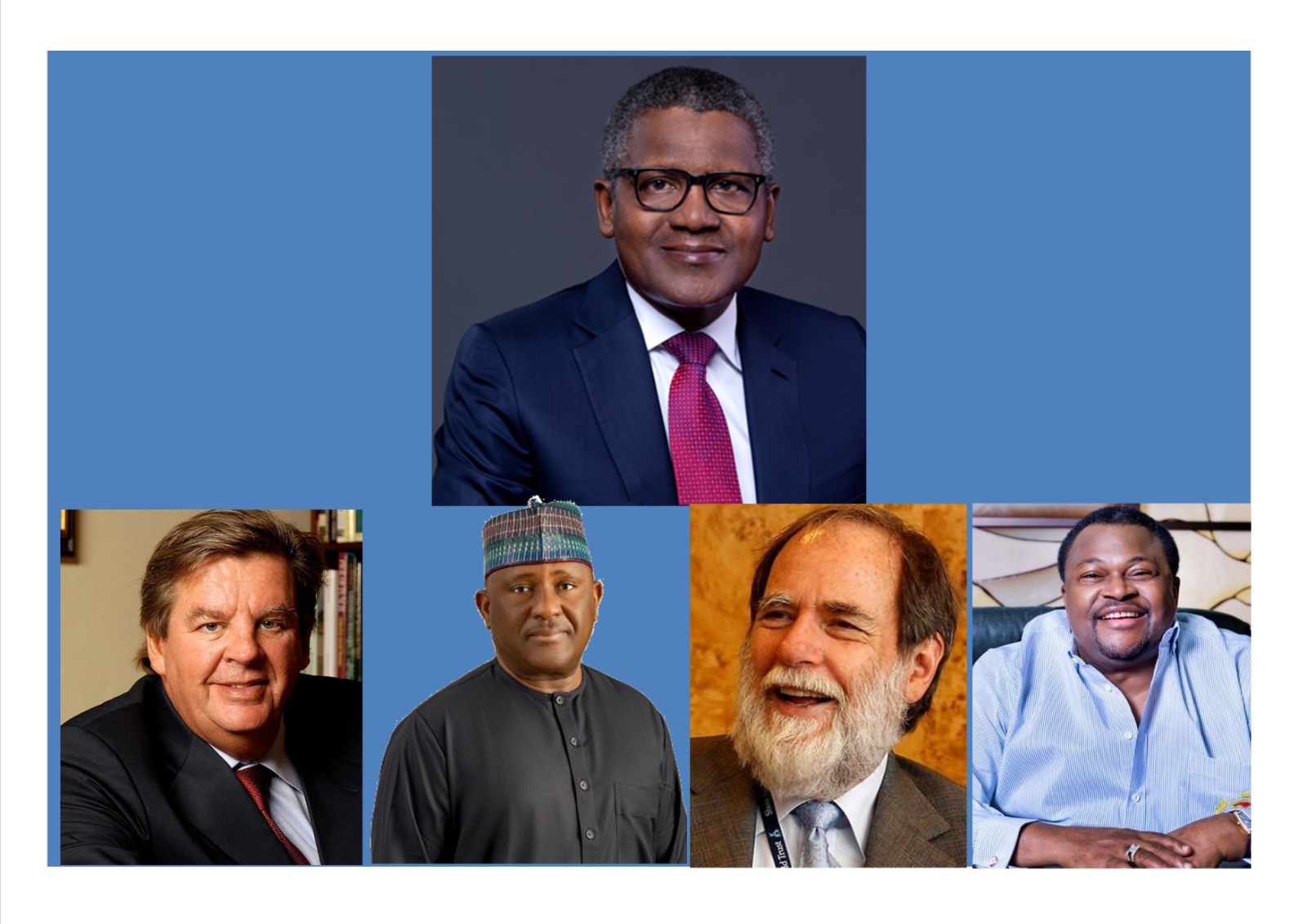
Infrastructure finance is equally important. Samaila Zubairu, president and chief executive of Africa Finance Corporation, operates at the intersection of capital and continental infrastructure. Transport, energy, ports and logistics remain fundamental constraints on African trade, and large infrastructure investments can determine whether the AfCFTA market functions efficiently in practice.
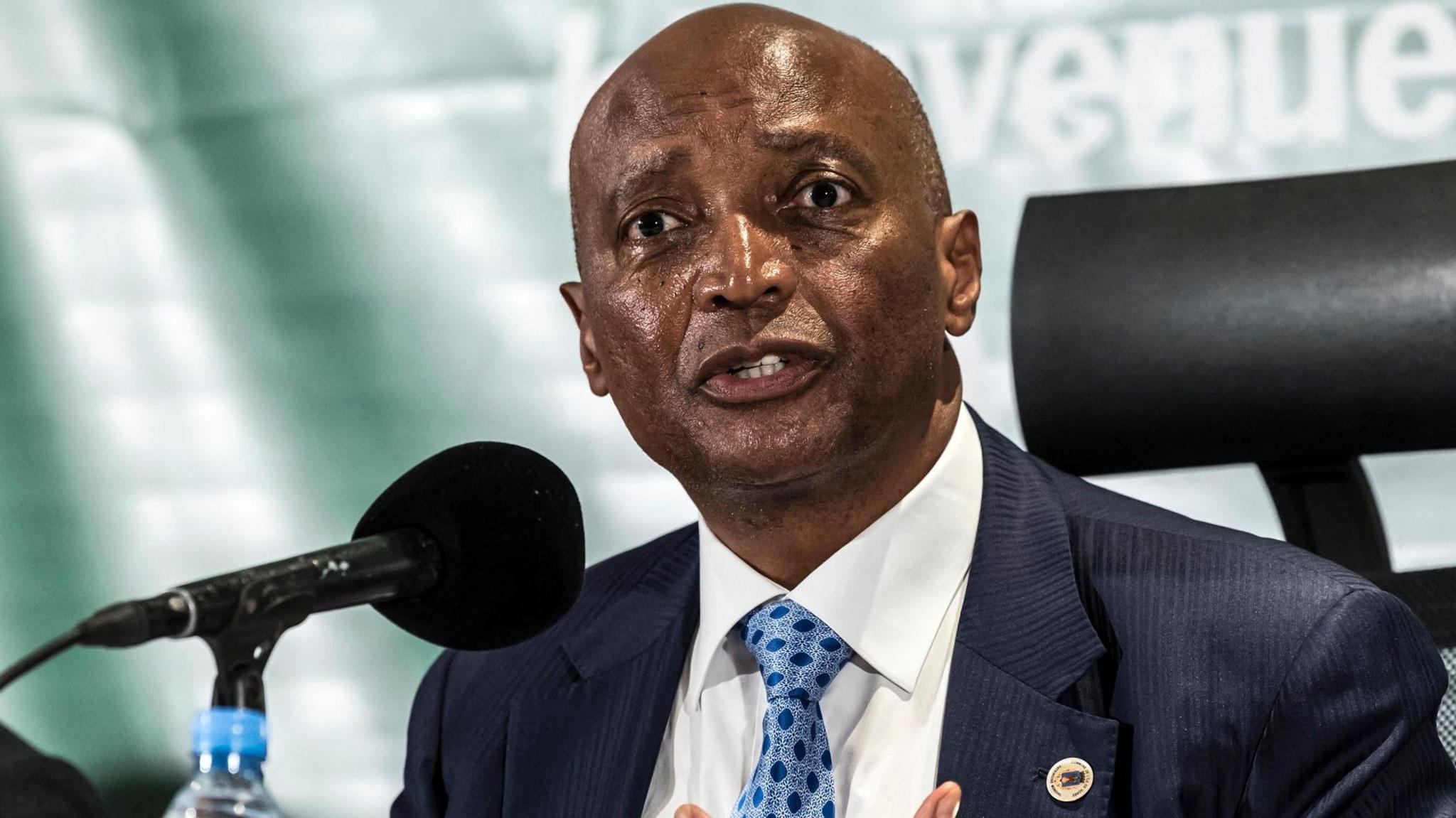
Patrice Motsepe's influence on the entire continent extends beyond mining and investment. As founder and chairman of African Rainbow Minerals and president of the Confederation of African Football (CAF), he occupies an unusual position at the intersection of African business, sport and continental influence. His CAF leadership places him at the head of an institution representing 54 national football associations, giving his continental role a reach that extends well beyond the boardroom.
That combination is significant for Africa's economic narrative because football itself has become a major commercial ecosystem involving broadcasting, sponsorship, tourism, infrastructure, technology, hospitality and consumer markets. Motsepe's position therefore illustrates how African corporate influence can move across sectors, connecting economic power with institutions capable of mobilising audiences and markets across national boundaries.
The infrastructure dimension becomes even clearer in East Africa.
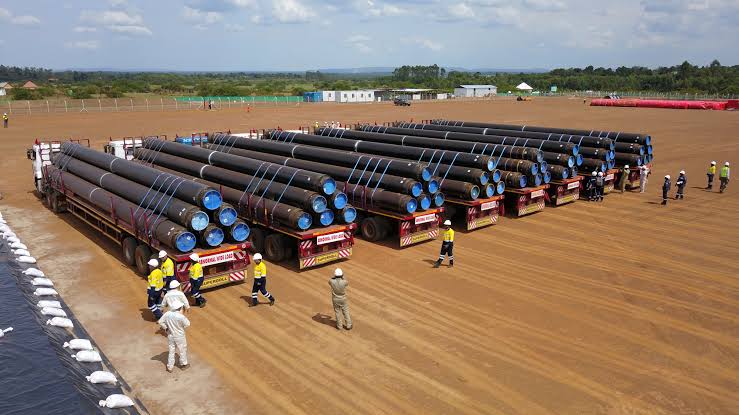
The East African Crude Oil Pipeline (EACOP) is not simply an oil-export project linking Uganda to Tanzania. At 1,443 kilometres, it represents a major cross-border infrastructure undertaking connecting Uganda's petroleum resources with Tanzania's Indian Ocean logistics system. Its wider significance lies in the economic ecosystem being built around energy, transport, services and trade between the two countries.
Uganda and Tanzania are also deepening cooperation around a proposed Tanga Regional Energy Hub, bringing petroleum storage, refining, logistics, trading and distribution into a broader regional energy strategy. Such projects demonstrate how bilateral infrastructure can create commercial platforms extending beyond the original purpose of a single investment.
The same logic applies to electricity. The planned 400kV Uganda-Tanzania electricity interconnector is intended to strengthen electricity exchange and regional power trade, demonstrating how energy infrastructure can become a foundation for industrial competitiveness and cross-border economic integration.
The East African Community's wider infrastructure agenda reinforces this direction, with regional roads, railways, ports, aviation systems and pipelines designed to connect landlocked economies to major commercial gateways. These corridors are critical because the benefits of a continental market depend on whether goods can physically move between producers and consumers at competitive cost.
The private sector is responding to this changing geography. Patrice Motsepe, through African Rainbow Minerals, represents the role of African-owned capital in mining and the continent's mineral economy. As demand for critical minerals increases, African companies are increasingly positioned to participate not only in extraction but potentially in processing, manufacturing and regional value chains.
Koos Bekker and Naspers represent another dimension: technology and investment capital. Their international technology exposure demonstrates how African corporate leadership is increasingly participating in global digital markets while contributing to technology ecosystems capable of supporting new forms of enterprise.
Retail and logistics are equally important. The commercial legacy of Christoffel Wiese through Shoprite and Pepkor helped establish large retail networks across Southern Africa, connecting consumers with regional supply chains. Mpumi Madisa, through Bidvest, represents the distribution and logistics side of the equation—an often less visible but essential component of cross-border commerce.
Energy remains central to industrial competitiveness. Investments associated with Femi Otedola and Geregu Power illustrate the importance of electricity generation to manufacturing and enterprise. Reliable power reduces production disruptions and creates the conditions for businesses to operate competitively across larger markets.
The emerging corporate geography is therefore beginning to resemble the economic geography AfCFTA seeks to create. A cement producer in West Africa, a bank operating across dozens of countries, a telecommunications group spanning multiple regions, a mining company controlling strategic resources and infrastructure developers connecting landlocked economies are all helping create a more integrated African commercial system.
But CEOs are not doing it alone.
Governments are increasingly using bilateral agreements, regional institutions and multilateral financing to construct the physical architecture on which private enterprise depends. EACOP, the Tanga energy hub, electricity interconnectors and regional transport corridors show how public investment and diplomacy can connect markets that previously operated too separately.
The wider infrastructure race is also changing the continent's geopolitical position. Roads, ports, railways, energy systems, industrial parks and digital networks are no longer simply development projects; they are becoming instruments through which African countries determine where production occurs, how resources move and which markets become economically connected.
That is where the original AfCFTA ambition meets the new African corporate reality. CEOs are building the businesses that need larger markets, while governments are increasingly building the corridors that allow those businesses to reach them. Banks finance expansion, telecommunications connect customers, manufacturers create products, logistics companies move them and infrastructure projects reduce the physical barriers between economies.
The result is an increasingly integrated economic architecture being constructed from both the boardroom and the public sector. Dangote, Rabiu, Dewji, Masiyiwa, Mwangi, Awori, Mupita, Tshabalala, Zubairu, Motsepe and other African business leaders are supplying much of the commercial momentum, while governments, the African Union, regional economic communities and multilateral institutions are providing the infrastructure and policy environment needed to carry that momentum across borders.
AfCFTA may have been conceived as a continental policy, but its economic reality is increasingly being built by African CEOs—supplemented by governments and regional institutions turning factories, banks, digital networks, power systems, pipelines, ports and transport corridors into the infrastructure of one African market.