Shopping cart
Your cart empty!

Your cart empty!

Join 10k+ people to get notified about new posts, news and tips.
Do not worry we don't spam!
Terms of use dolor sit amet consectetur, adipisicing elit. Recusandae provident ullam aperiam quo ad non corrupti sit vel quam repellat ipsa quod sed, repellendus adipisci, ducimus ea modi odio assumenda.
Lorem ipsum dolor sit amet consectetur adipisicing elit. Sequi, cum esse possimus officiis amet ea voluptatibus libero! Dolorum assumenda esse, deserunt ipsum ad iusto! Praesentium error nobis tenetur at, quis nostrum facere excepturi architecto totam.
Lorem ipsum dolor sit amet consectetur adipisicing elit. Inventore, soluta alias eaque modi ipsum sint iusto fugiat vero velit rerum.
Sequi, cum esse possimus officiis amet ea voluptatibus libero! Dolorum assumenda esse, deserunt ipsum ad iusto! Praesentium error nobis tenetur at, quis nostrum facere excepturi architecto totam.
Lorem ipsum dolor sit amet consectetur adipisicing elit. Inventore, soluta alias eaque modi ipsum sint iusto fugiat vero velit rerum.
Dolor sit amet consectetur adipisicing elit. Sequi, cum esse possimus officiis amet ea voluptatibus libero! Dolorum assumenda esse, deserunt ipsum ad iusto! Praesentium error nobis tenetur at, quis nostrum facere excepturi architecto totam.
Lorem ipsum dolor sit amet consectetur adipisicing elit. Inventore, soluta alias eaque modi ipsum sint iusto fugiat vero velit rerum.
Sit amet consectetur adipisicing elit. Sequi, cum esse possimus officiis amet ea voluptatibus libero! Dolorum assumenda esse, deserunt ipsum ad iusto! Praesentium error nobis tenetur at, quis nostrum facere excepturi architecto totam.
Lorem ipsum dolor sit amet consectetur adipisicing elit. Inventore, soluta alias eaque modi ipsum sint iusto fugiat vero velit rerum.
Do you agree to our terms? Sign up
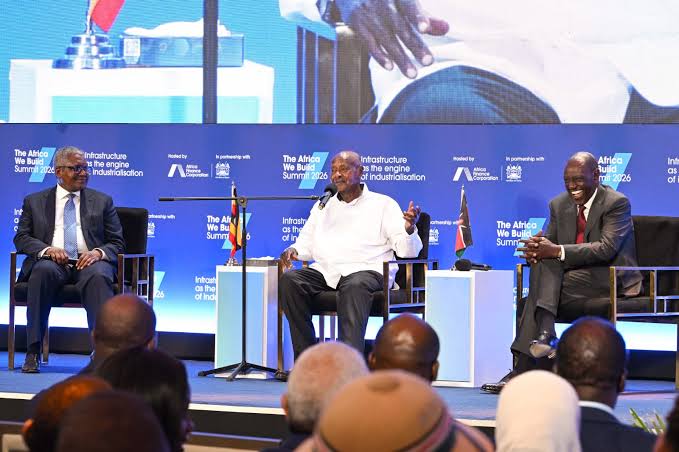
As President Yoweri Kaguta Museveni navigates his eighties after four decades in power, the political landscape of Uganda and the wider Great Lakes region is undergoing a profound transition.
With domestic politics increasingly colored by generational succession—most visibly through the rising military and political authority of his son, Chief of Defence Forces Gen. Muhoozi Kainerugaba—the conventional expectation would be a decelerating, inward-looking presidency.
Instead, the veteran Ugandan leader is orchestrating an aggressive, multidimensional foreign policy initiative designed to transform Kampala into the indispensable diplomatic and strategic nerve center of the African continent.
From the diplomatic corridors of the United Nations in New York to regional security architecture in the Great Lakes, and extending into peace operations in the Middle East, Uganda is deploying a calculated synthesis of hard power, multilateral leadership, infrastructural muscle, and diplomatic pragmatism.
Examining the eleven distinct pillars of this strategy reveals how Kampala is seeking to institutionalize its geopolitical primacy and cement an enduring continental legacy.
Any realistic assessment of Uganda's foreign policy must begin with its domestic political foundation at State House, Entebbe.
Having governed since January 1986, President Museveni has outlasted generations of regional peers through pragmatic coalition-building, security centralization, and active regional intervention.
Now in his eighties, the question of internal transition has sharpened significantly.
The consolidation of authority around Gen. Muhoozi Kainerugaba—who commands the military as Chief of Defence Forces and mobilizes substantial political capital through the Patriotic League of Uganda—indicates an active succession management strategy.
By executing a high-stakes foreign policy, Museveni achieves two critical objectives: he secures international legitimacy for Uganda's institutional continuity and insulates the political establishment from external isolation.
Projecting Kampala as an irreplaceable regional security anchor ensures that regional and Western partners view stability in Uganda as paramount to wider continental peace, effectively reinforcing the state's domestic transition architecture.
A central milestone in this diplomatic surge is President Museveni’s impending assumption of the African Union Assembly Chairmanship in Addis Ababa.
Building upon Uganda’s tenure at the helm of the African Peer Review Mechanism (APRM) Forum of Heads of State and Government, taking leadership of the African Union directly places Kampala in charge of continental governance agendas, conflict mediation, and institutional reforms under AU Agenda 2063.
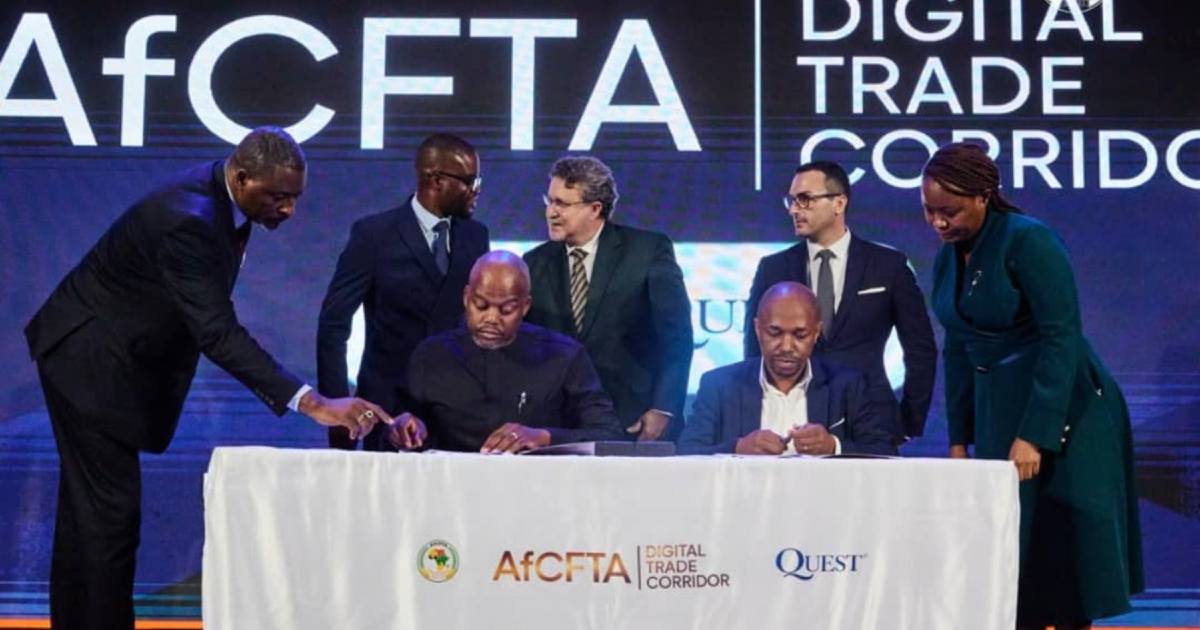
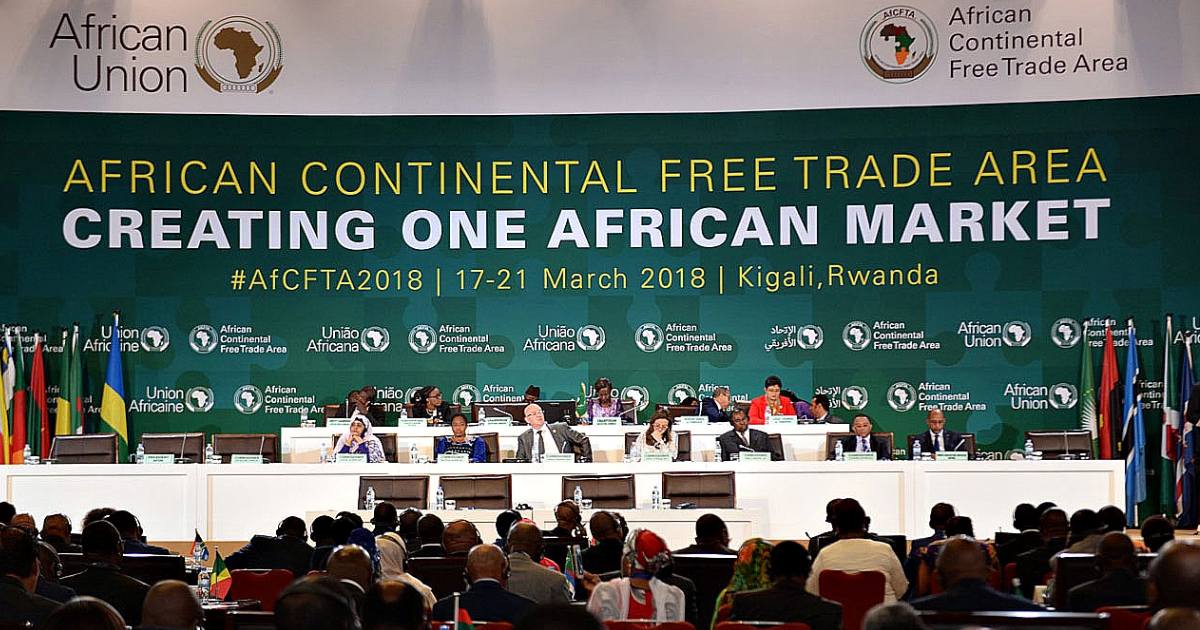
Rather than functioning as a passive rotational chair, Kampala is utilizing this platform to advocate for African-led conflict resolution frameworks, challenge foreign interventions, and shape continental trade integration under the African Continental Free Trade Area (AfCFTA).
Museveni's ascent to the AU Chairmanship formalizes Uganda's role as a primary author of African political consensus.
Uganda significantly expanded its global diplomatic footprint by hosting the 19th Non-Aligned Movement (NAM) Summit alongside the G77+China Third South Summit at Speke Resort Munyonyo in Kampala.
Assuming the leadership of the 120-nation bloc until 2027 has allowed Uganda to position itself as a vocal defender of the Global South amid intensifying competition among major world powers.
From the shores of Lake Victoria, Kampala has articulated an independent, non-aligned foreign policy—refusing to be coerced into Western, Russian, or Chinese spheres of influence while engaging constructively with all sides.
This status enhances Uganda's geopolitical prestige, transforming Kampala into an active diplomatic bridge between Africa, Asia, and Latin America on critical issues such as international financial reform, climate resilience, and sovereignty.
Demonstrating strategic realpolitik, President Museveni formally presented the candidacy of veteran statesman Dr. Olara Otunnu for the position of United Nations Secretary-General to ambassadors of UN Security Council member states gathered at State House Entebbe.
The move represents a major diplomatic pivot.
Dr. Otunnu, a former Uganda People's Congress (UPC) president and long-standing political adversary who spent decades in exile, possesses impeccable multilateral credentials, having previously served as President of the UN Security Council and UN Under-Secretary-General for Children and Armed Conflict.
By appointing former Prime Minister Dr. Ruhakana Rugunda to spearhead the campaign, Museveni effectively reconciled a historic domestic division while mounting Africa's most credible campaign for the world’s top diplomatic office.
If successful, anchoring a Ugandan at the helm of the UN Secretariat would represent an unprecedented zenith of global influence for Kampala.
Kampala’s geopolitical weight is built not only on summitry, but on institutional permanency.
Uganda has earned international acclaim for its progressive refugee policy, hosting more than 1.6 million refugees across settlements like Nakivale, Rhino Camp, and Bidi Bidi.
By actively pursuing and securing regional operational headquarters for the African Union Humanitarian Agency (AfHA) and hosting major United Nations regional logistics bases in Entebbe, Uganda has made itself the indispensable operational hub for emergency relief across the Great Lakes and the Horn of Africa.
International development funds, UN regional flights, and disaster-response coordination centers operating from Ugandan soil ensure that global humanitarian architecture remains fundamentally anchored in Kampala.
Statecraft often utilizes symbolic architecture to project strategic alignments.
On August 1, 2026, marking the 50th anniversary of the 1976 hostage rescue operation at the old terminal of Entebbe International Airport, Gen. Muhoozi Kainerugaba presided over the unveiling of a bronze statue honoring Lt. Col. Yonatan "Yoni" Netanyahu, the Israeli commando commander killed during Operation Entebbe.
This symbolic ceremony completely closed a historic circle, replacing the adversarial legacy of Idi Amin's era with a public declaration of Uganda’s strategic partnership with Israel.
By honoring the event at its primary international gateway before Israeli delegations and international observers, Kampala demonstrated a sophisticated form of monument diplomacy—solidifying high-level intelligence, defense, and economic relationships with key Western and Middle Eastern partners.
Uganda’s Parliament approved the deployment of Uganda People’s Defence Forces (UPDF) troops to the Gaza Strip on August 6, 2026, to serve as part of an International Stabilisation Force (ISF).
The mission, requested by US President Donald Trump in July 2026, aims to restore peace, facilitate humanitarian aid, and eliminate terrorist cells in the region.
Presented by Minister of Defence and Veteran Affairs Kiryowa Kiwanuka in Parliament, the deployment marks an unprecedented expansion of Uganda’s military-diplomatic footprint into the Middle East.
Building on decades of combat experience gained through the African Union Transition Mission in Somalia (ATMIS/AMISOM) and operations in the eastern Democratic Republic of the Congo, the UPDF’s entry into Gaza establishes Uganda as a capable, globally deployable partner in international crisis management.
Even as Uganda projects power abroad, it is consolidating its regional backyard.
As Chairperson of the East African Community (EAC), President Museveni met with EASF Director Brig. Gen. Ronald Rwivanga at State House Entebbe during the 36th Ordinary Policy Organs Meeting in Kampala to spearhead the revival of the Eastern Africa Standby Force (EASF).
The Eastern Africa Standby Force is a regional peace and security mechanism established in 2004 under the African Union’s broader African Standby Force architecture.
It brings together military, police and civilian capabilities to provide the region with a coordinated and rapidly deployable response to peace and security challenges, including peace support operations, humanitarian emergencies and other crises.
Pledging to mobilize regional heads of state to reconvene the EASF Summit—dormant since 2014—Museveni is driving efforts to bring nations like Djibouti, Comoros, and Sudan into active participation.
Concurrently, Uganda completed verification audits of its pledged military, police, and civilian capabilities at the International Peace Support Operations Training Centre (IPSO-T) in Singo and the Uganda Rapid Deployment Capability (URDC) headquarters in Jinja.
By providing the operational backbone for regional peacekeeping, Kampala positions itself as the primary guarantor of East African collective security.
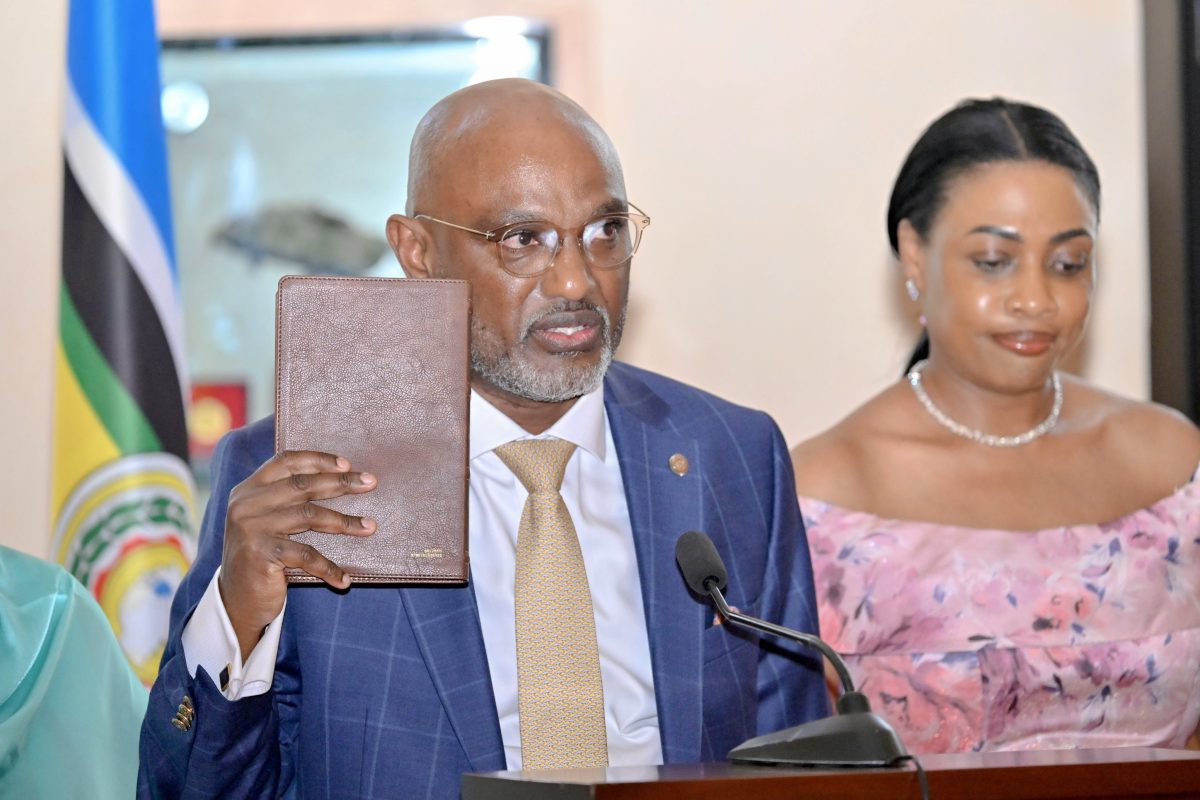
To execute this ambitious global agenda, President Museveni appointed and swore in veteran diplomat Amb. Adonia Ayebare as the Minister of Foreign Affairs at State House Entebbe.
Returning to Kampala after a distinguished tenure as Uganda's Permanent Representative to the United Nations in New York, Ayebare represents a master practitioner of multilateral diplomacy.
Having steered Uganda’s NAM negotiations and successfully mediated sensitive regional disputes, including the Luanda peace talks between Uganda and Rwanda, Ayebare provides Kampala with elite diplomatic statecraft.
His appointment signals a professionalized foreign policy machinery capable of converting Uganda’s security and political assets into sustained multilateral influence.
Geopolitical ambition requires substantial economic power.
Uganda is rapidly reshaping its industrial foundation through the operation of major mineral processing centers, such as the African Gold Refinery (AGR) in Entebbe, which processes regional artisanal and commercial ores into export-grade bullion.
Simultaneously, the development of the Tilenga and Kingfisher oil projects in the Albertine Graben, coupled with the construction of the East African Crude Oil Pipeline (EACOP) to the Tanzanian port of Tanga and the planned refinery in Hoima District under the Uganda National Oil Company (UNOC), is set to transform Uganda into a regional energy producer.
By controlling mineral value chains and regional energy supply routes, Kampala cements economic leverage that mirrors its diplomatic status.
Physical connectivity is the final essential link for any aspiring geopolitical center.
The revitalization of the national carrier, Uganda Airlines, supported by a $985 million procurement agreement with Boeing and long-haul Boeing 787-8 Dreamliner leases, provides direct links between Entebbe and strategic commercial hubs across Africa, Europe, Asia, and the Middle East.
Under the leadership of veteran aviation executive and former Ethiopian Airlines CEO Girma Wake, Uganda Airlines is methodically opening direct international passenger and cargo corridors to cities including London, Mumbai, Accra, and Kigali.
Connecting Entebbe directly to global commercial capitals ensures that business leaders, diplomats, and tourists can reach Kampala without relying on intermediary regional hubs.
President Museveni’s overarching strategy represents a calculated convergence of security capability, institutional diplomacy, economic modernization, and political continuity.
By managing a generational domestic transition while projecting authority across regional peacekeeping bodies, international mineral markets, and global multilateral institutions, the administration has constructed an enduring architecture of influence.
Whether through the historic bid for the United Nations leadership, military deployments abroad, or anchoring regional security mechanisms at home, Kampala is no longer just a national capital; it has established itself as an indispensable geopolitical center in Africa.